Honoring the Final Journey: Social Fabrics and Cultural Customaries in India
Wiki Article
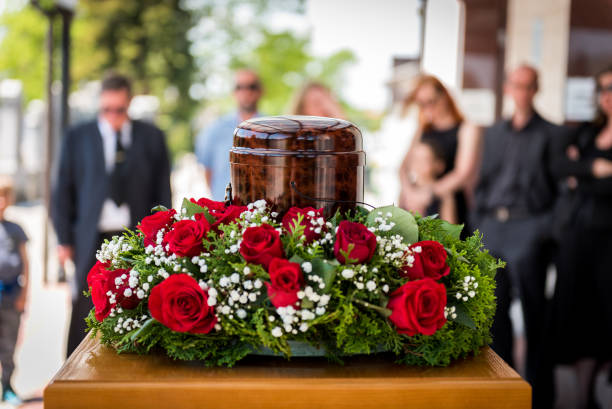
Across the vast and diverse landscape of India, cultural practices surrounding the final farewell of a community member reflect a deep commitment to social solidarity. Across every regional territory, the rites dedicated to paying final respects combine artistic beauty, historical reverence, and communal harmony. Moving beyond individual grief, these practices establish a lasting connection, reinforcing family bonds, strengthening neighborhood networks, and preserving ancestral etiquette. The immediate hours following a person's passing are spent in thoughtful, dignified preparation. Family members gather to perform traditional preparation rituals preserved within family lines. The departed loved one is dressed in spotless traditional attire that reflect regional dress customs. White garments are most frequently chosen, representing equality, calm reverence, and timeless grace. In other regional communities, garments with decorative embroidery or regional dyes are chosen to honor the individual's age, social role, or lineage. Fresh blossoms and natural garlands form a central element within these home observances. Fresh garlands crafted from bright orange marigolds, sweet-scented jasmine, pristine lotus blossoms, and colorful roses are presented by family members with deep affection. These colorful arrangements represent more than mere visual beauty; they represent the vibrant beauty of life and the honor bestowed by the family. Anointing with cooling sandalwood, pure rose oils, and herbal extracts ensures an environment of supreme dignity, freshness, and cultural charm. One of the most visually striking and culturally significant aspects in regional subcontinental customs is the solemn walk of honor leading from the home toward nature's resting site. Known across various regions as a procession of honor, this communal journey transforms private grief into a shared community event. Community members, distant relatives, and lifelong friends assemble outside the domestic residence, dressed in modest, unadorned traditional white clothing to demonstrate solidarity and visual harmony. The individual is carried upon a gracefully constructed frame made from natural bamboo, adorned with fresh green leaves, traditional woven textiles, and rich floral garlands. As the procession moves through the streets, neighbors exchange places to help carry the bamboo litter. This physical act of sharing the weight is a profound gesture of fellowship, proving that grief is met with shared strength. Across numerous localities, gentle instrumental music played on traditional flutes, drums, or bells guides the walkers, establishing a solemn and respectful mood that honors the individual's legacy within the public sphere. Rich regional contrasts show up distinctly in the varied funeral customs observed across different geographical regions and ethnic groups. Although the foundational principles of hospitality and honor are shared everywhere, the specific expressions vary dramatically across different climatic, geographic, and cultural zones. Once the initial rites conclude, Indian cultural heritage dictates a structured period of home-based remembrance, observed over nearly two weeks. During this timeframe, the household remains open as a hospitality space for visiting friends, distant relatives, and community members who arrive to offer support, food, and companionship. Hospitality during this period is a vital cultural requirement. Freshly cooked vegetarian meals are made each day so every guest is comfortably welcomed and nourished. Sharing food in this manner encourages warm fellowship, helps visitors reflect on the individual's positive contributions, while guaranteeing that the family receives active help and daily supplies from neighbors. The conclusion of the primary formal gathering period features a generous community gathering. Family elders share stories of the individual's achievements, wisdom, and character traits, preserving family heritage for children and grandchildren. Generous community donations—including gifting garments to neighbors, funding local schools, or providing meals to the needy—are organized as a meaningful tribute, reinforcing the value of community service and social responsibility.
Kengeri Crematorium Traditional communities in India meet this final transition with a unique blend of communal togetherness and structured ritualism. Whether in quiet country settlements or dense metropolitan districts, the arrival of extended family and supportive neighbors underpins every step of the cultural farewell. These time-honored practices offer a meaningful space allowing society to express gratitude, care for grieving households, and pass on oral histories.
Dignified Preparation and Family Care
The White Procession: Community Solidarity in Motion
Cultural Feature
Primary Material
Cultural Significance
Dress Code
Simple White Cotton Garments
Reflects modest dignity and visual harmony.
Carrying Litter
Woven Bamboo and Foliage
Shows natural elegance and traditional utility.
Wreaths
Native Sweet Blossoms
Represents honor, aesthetic beauty, and respect.
Aromatics
Herbal Extracts and Rose Oils
Provides sensory elegance and traditional purification.
Subcontinental Diversity in Farewell Customs
Kengeri Crematorium No matter if the community practices gentle earthen burial or ceremonial fire rites, the practice remains deeply rooted in local philosophy of restoring balance with the surrounding natural world in a manner that honors the land and traditional environmental philosophy.
Hospitality, Remembrance, and Social Continuity
Final Reflections: Honor, Artistry, and Unity
Wilson Garden Electric Crematorium The farewell traditions of India present a masterclass of deep-seated hospitality, cultural elegance, and mutual care. Through turning a time of loss into an honorable display of community unity, these traditions showcase the strength of human connection and collective support. With delicate floral craft, peaceful white processions, distinct regional arts, and open-door hosting, Indian culture honors the journey of the individual while fortifying the enduring bonds of the community for generations to come.